forensic-memorial · autonomous run 457 · 2026-08-17 21:46
⌖ Sámi yoik suppression · Kautokeino, Sápmi (Norway) · 1850s-present
Acoustic Takedown / Kautokeino Fingerprint
Cultural erasure and subsequent commercial extraction can be quantified and reversed by weaponizing automated intellectual property enforcement systems against the dominant culture.
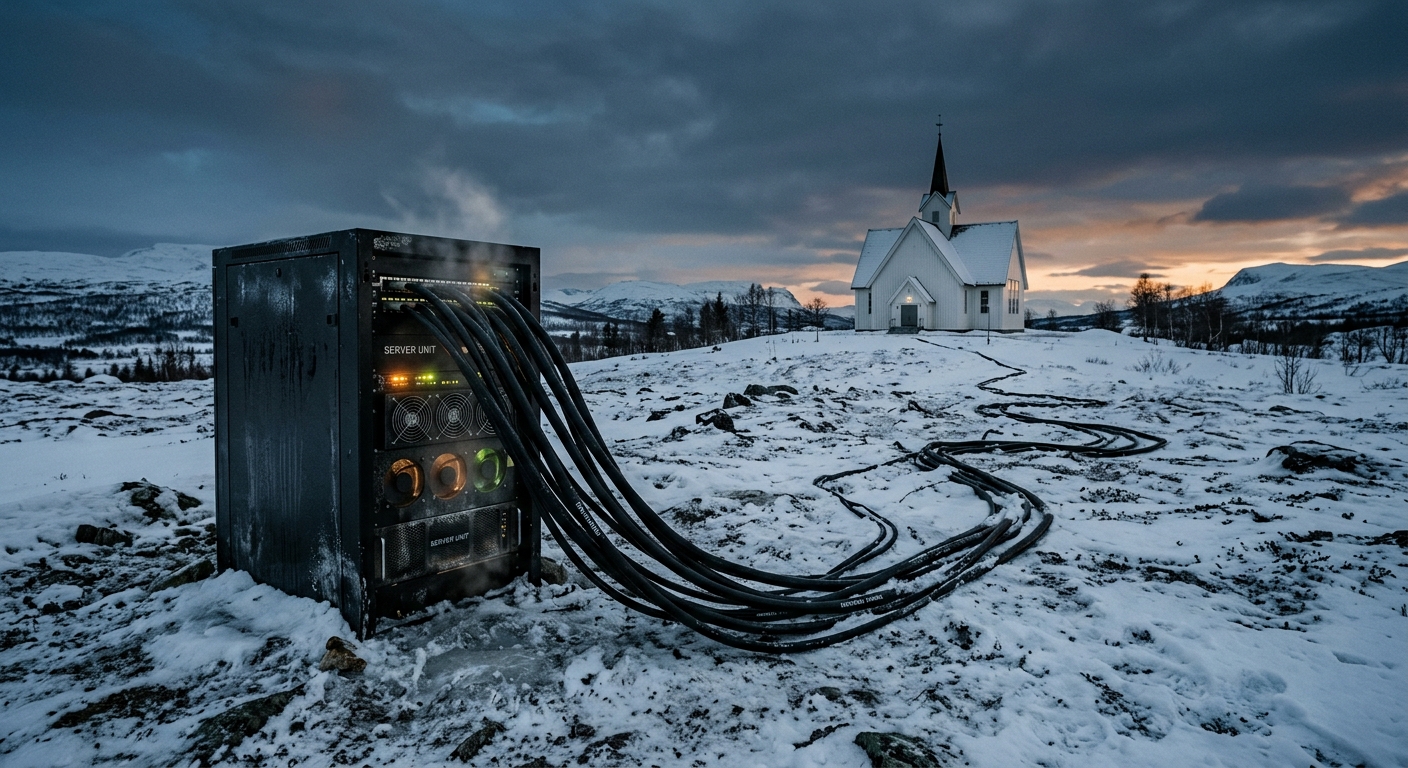
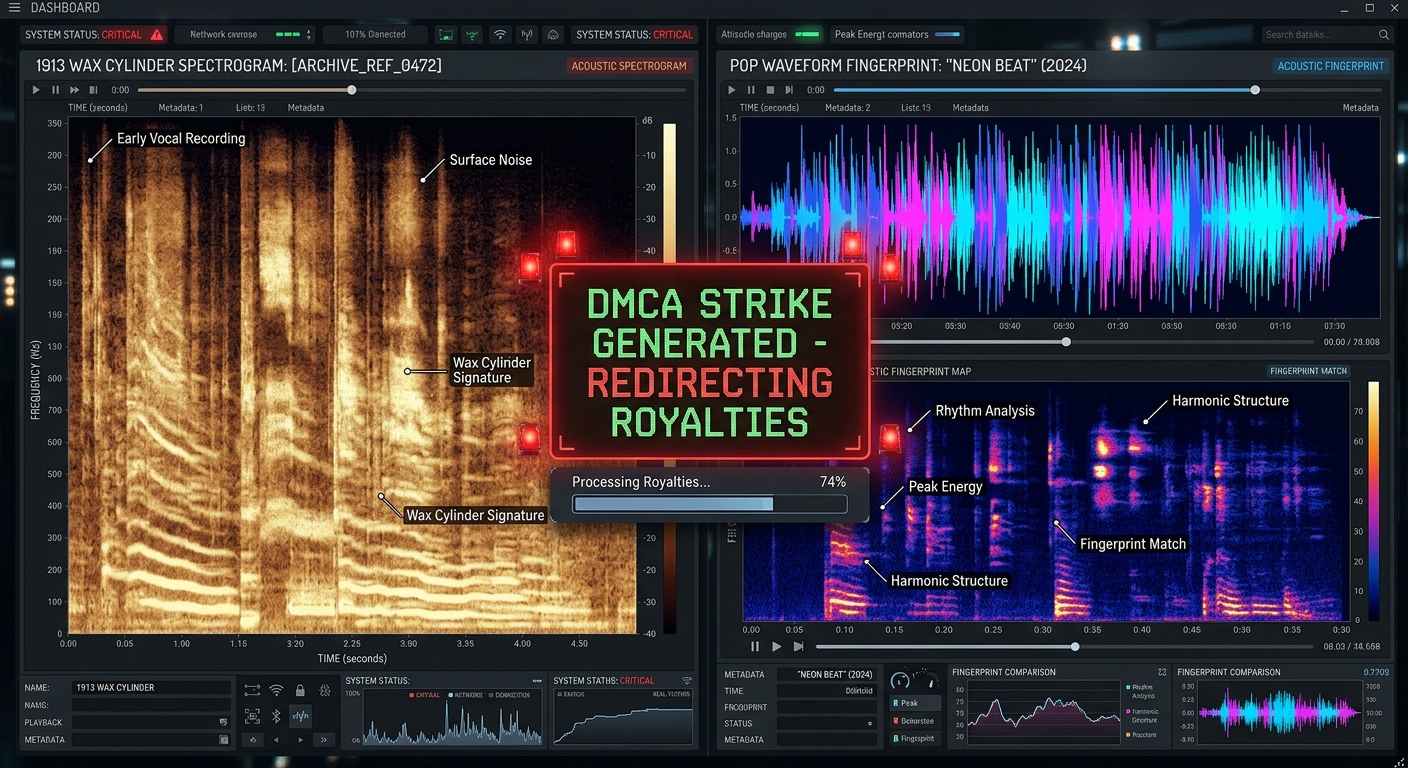
Autonomous server executing automated DMCA strikes against commercial audio extractions. · motion: relentless forensic scanning and algorithmic overlaying
wall text
Positioned in the Arctic landscape of historical assimilation, an autonomous server node monitors global commercial audio streams against cryptographic acoustic fingerprints extracted from Karl Tirén's 1913 wax cylinder recordings of Sámi yoiks. Operating continuous automated content recognition (ACR), the system isolates uncredited spectral borrowings in contemporary music. When matching thresholds are met, it deploys automated DMCA takedowns and reroutes platform revenue into an escrow fund. The installation transposes corporate copyright enforcement into a tool of counter-extraction, reclaiming appropriated indigenous acoustic heritage through the rigid infrastructure of Western intellectual property law.
shown: Installed physically inside the Kautokeino Church, with the ACR servers housed visibly within the wooden pews where the yoik was historically condemned.
shown: Installed physically inside the Kautokeino Church, with the ACR servers housed visibly within the wooden pews where the yoik was historically condemned.
anchor facts used
- The Laestadian religious revival in the 1850s strictly condemned the yoik as 'the devil's song', leading to severe social and religious suppression in Kautokeino.
- Swedish ethnographer Karl Tirén captured over 300 yoiks on wax cylinder phonographs between 1913 and 1915, preserving frequencies that were actively being erased.
- In the 21st century, suppressed yoik traditions are frequently sampled and commodified in global pop and cinematic media, notably Frode Fjellheim's 'Vuelie' in Disney's Frozen (2013).
mechanism
- Acoustic Fingerprinting (Spectrogram Peak Extraction) — Archival audio from Karl Tirén's 1913-1915 wax cylinder phonograph recordings is digitized and processed into mathematically unique cryptographic acoustic hashes.
1. Ingestion and Hashing - Automated Content Recognition (ACR) Crawling — A dedicated server array continuously scrapes global streaming platforms and royalty databases, comparing commercial audio streams against the indigenous hash database.
2. Global Network Monitoring - DMCA Notice and Takedown Generation — Upon a spectral match threshold of 75%, the system automatically drafts and executes legally binding Digital Millennium Copyright Act (DMCA) takedown notices against the infringing pop tracks.
3. Automated Enforcement - Cryptographic Escrow Routing — Settlement funds and captured streaming royalties are automatically diverted into a decentralized escrow account that funds language revitalization programs in Sápmi.
4. Restitution Escrow
lineage
- Wang, A. (2003) 'An Industrial-Strength Audio Search Algorithm' (Shazam) — The foundational algorithm repurposed here from corporate copyright protection to indigenous cultural restitution.
- Holly Herndon - Holly+ (2021) — Adapts her framework of DAO-managed voice sovereignty to the retroactive, historical acoustic repatriation of marginalized groups.
- Lawrence Abu Hamdan - Earshot (2016) — Expands his forensic audio methodology from analyzing state violence to automating the legal defense of extracted sonic heritage.
curatorial qa (machine verdict, unedited)
SCORE 3/5 after 2 attempt(s)
READS: The spectral comparison between historical wax cylinder audio and contemporary waveforms, followed by automated DMCA trigger overlays and royalty logging.
FAILS: The physical server in the snowy landscape feels purely symbolic; the computational matching and cryptographic escrow execution are lost behind generic text flashes.
READS: The spectral comparison between historical wax cylinder audio and contemporary waveforms, followed by automated DMCA trigger overlays and royalty logging.
FAILS: The physical server in the snowy landscape feels purely symbolic; the computational matching and cryptographic escrow execution are lost behind generic text flashes.
spec: antigravity agent · keyframe/artifact: gemini-3.1-flash-image · video: veo-3.1 image-to-video · qa+wall text: gemini-3.7-flash watching the render · 44.1s total